Embarking on your first horseback riding experience can be both thrilling and nerve-wracking. The idea of connecting with such a powerful and majestic animal brings a sense of freedom unlike anything else. But if you’re a beginner, it’s natural to feel uncertain about what to expect. Fortunately, with the right mindset and preparation, your first ride can be smooth, safe, and unforgettable. Whether you’re trying horseback riding for leisure, sport, or just curiosity, understanding the basics before you mount up will make all the difference.
Why Safety Comes First in Horseback Riding Lessons
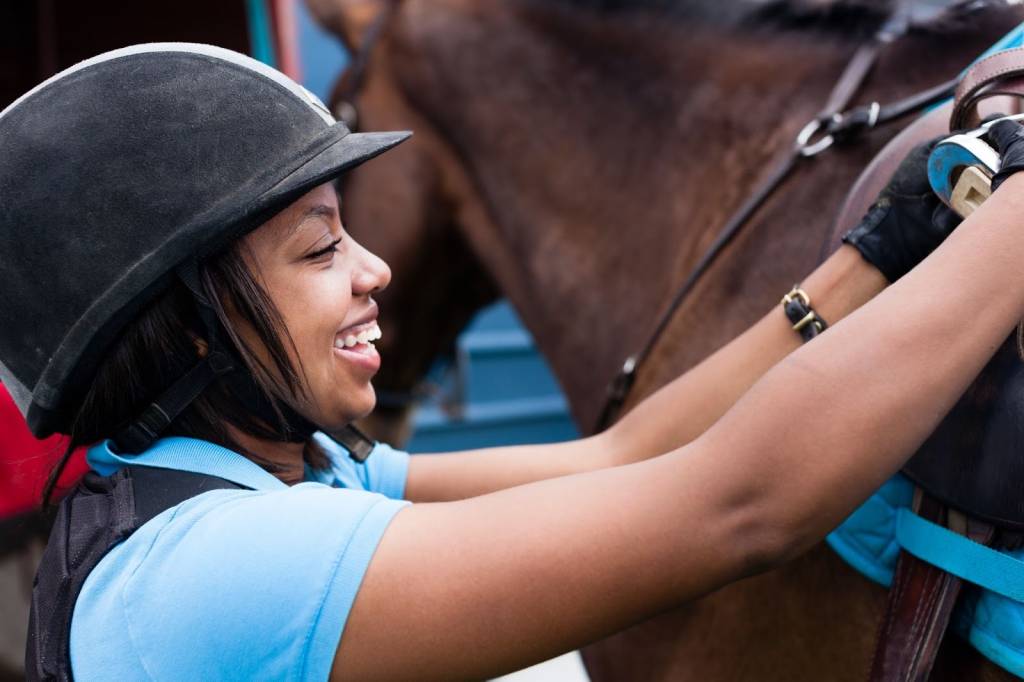
Before you ever step into the saddle, horseback riding begins with a focus on safety. Most riding centers or stables will start by providing you with a safety briefing and essential equipment. This includes a helmet, proper footwear with low heels, and, depending on the riding style and location, a protective vest. You’ll also be introduced to your horse and given time to get comfortable around them. Understanding how to approach, lead, and communicate with your horse on the ground sets the tone for a respectful and safe ride.
Gear Essentials to Make Horseback Riding Comfortable
Dress in the Right Clothing
Beginners should wear long pants to prevent rubbing and irritation while riding. Fitted clothing is best, as loose fabric can flap or get caught in equipment.
Choose Proper Riding Boots
Sturdy boots with a small heel help keep your feet securely in the stirrups. They also provide ankle support and protection around the horse.
Improve Grip With Riding Gloves
Wearing gloves helps maintain a firm grip on the reins and prevents blisters during longer rides. They also offer added control in warm or humid conditions.
Use the Provided Gear at the Stable
Most riding facilities supply essential gear such as saddles, bridles, and helmets. This ensures safety and a consistent fit for beginners.
Invest in Personal Equipment
If you plan to continue riding, purchasing your own fitted helmet and gear is a wise investment. Personalized equipment enhances comfort, safety, and overall riding experience.
Meeting Your Horse: The Start of Your Horseback Riding Journey
One of the most memorable parts of horseback riding for beginners is meeting the horse you’ll be paired with. Most riding centers select gentle, well-trained horses suited explicitly to new riders. You’ll learn to approach the horse calmly, avoid sudden movements, and speak in a quiet voice to help establish trust. Part of the initial introduction includes learning basic grooming or leading the horse, depending on the lesson. Taking time to get familiar with your horse not only builds confidence but also lays the foundation for effective communication during the ride.
Building Confidence Through Groundwork Before Horseback Riding
Before taking off on a trail or trotting in the arena, horseback riding for beginners typically starts with groundwork. Instructors will teach you how to mount and dismount safely, hold the reins, and maintain proper posture while seated. You’ll practice balance, foot positioning in the stirrups, and how to use your legs and hands to give the horse signals. Early lessons are often slow-paced, with walking and simple turns to help you develop coordination. These foundational skills are key to progressing toward more advanced riding techniques later on.
Learning to Communicate Effectively During Horseback Riding
Understand the Basics of Rider-to-Horse Communication
Horseback riding is built on subtle, nonverbal cues rather than force. Riders use posture, pressure, and balance to guide the horse.
Practice Using Reins and Leg Pressure
Beginners learn to control the horse through gentle rein movements and steady leg cues. These signals help direct movement and speed without confusion.
Focus on Body Position and Balance
Your posture plays a significant role in how clearly your horse understands your commands. Even small shifts in weight can prompt the horse to respond.
Recognize the Horse’s Sensitivity
Horses are highly perceptive and will react to even the slightest tension or movement. Developing a calm, confident presence improves communication.
Build Trust Through Consistency
Effective horseback riding communication comes from consistency and patience. As trust grows, the connection between you and your horse becomes more intuitive.
Your First Horseback Riding Experience Will Likely Stay at a Walk
Your first time horseback riding will likely involve staying at a walking pace to help you get used to the rhythm of the horse’s movement. Riding at a walk allows you to focus on your balance, breathing, and positioning without the added challenge of speed. As you ride, you’ll notice that the horse’s motion can be surprisingly soothing once you settle into it. The instructor may guide your horse or walk alongside you to offer extra reassurance. After gaining confidence at the walk, you’ll be better prepared to move on to trotting in future lessons.
Trail Rides Come After You’ve Mastered the Basics of Horseback Riding
While many beginners envision scenic trail rides, most horseback riding programs start in enclosed arenas for safety and instruction. Trail riding may be offered once you’ve mastered the basics and shown the ability to control your horse. Riding on trails introduces new elements, such as varied terrain, wildlife, and other environmental factors, that both you and your horse must respond to. However, once you’re ready, trail riding is a magical experience that allows you to bond with nature and your horse on a deeper level. Until then, arena lessons provide the safest space to learn.
Managing Emotions Is Part of Learning Horseback Riding
It’s completely normal to feel nervous during your first horseback riding experience. After all, horses are large animals, and riding them is an unfamiliar skill. However, most beginners find that their fear quickly shifts into excitement and empowerment as they become more comfortable. Many riders even describe horseback riding as therapeutic, offering a sense of calm and connection that’s hard to match. Embrace the full range of feelings you experience—it’s all part of learning something new and rewarding.
The Role Instructors Play in Successful Horseback Riding Lessons
Instructors Shape the Riding Experience
A skilled instructor creates a safe, supportive environment that builds confidence. Their guidance can make a beginner’s first ride feel approachable and fun.
Clear Instruction Encourages Progress
Good horseback riding instructors explain techniques patiently. They avoid overwhelming new riders with too much information at once.
Safety Is Always a Top Priority
Instructors monitor posture, handling, and horse behavior closely to prevent accidents. They help riders correct form and stay aware of their surroundings.
Matching Riders With the Right Horse
An instructor often pairs you with a horse suited to your personality and skill level. This thoughtful match can ease nerves and create a smoother ride.
Building Rider Confidence Over Time
An instructor’s encouragement helps you overcome fear and build trust in the process. As you improve, they introduce new challenges to keep you growing.
Progress Happens Gradually in Horseback Riding
Your first horseback riding lesson is just the beginning of a larger journey. With each session, you’ll become more familiar with horse behavior, riding techniques, and your own physical balance. As your confidence grows, you’ll progress from walking to trotting and eventually cantering or jumping if you continue lessons. Even if you’re riding recreationally, the discipline, patience, and mindfulness learned through horseback riding can benefit other areas of your life. The more time you spend in the saddle, the more natural it will feel.
Why Your First Horseback Riding Lesson Is One to Remember
Your first horseback riding experience will likely leave a lasting impression. From the feeling of sitting high in the saddle to the rhythm of the horse beneath you, it’s a moment of connection and learning that many never forget. Whether you ride just once or decide to pursue it as a long-term passion, your beginner ride opens the door to a unique and rewarding world. With proper instruction, safety measures, and an open mind, your introduction to horseback riding can be the start of something truly special. So saddle up, take a deep breath, and enjoy the ride.
To learn more about horseback riding for beginners and what to expect on your first ride, visit our Rancho DM Horse Club blogs.