ATVs have become practical tools for people who need reliable access beyond paved roads and confined spaces. Farmers, landowners, contractors, and recreational riders choose ATVs because they combine strength, maneuverability, and compact design in one machine. Unlike larger off-road vehicles, ATVs move easily through rough terrain while remaining simple to transport and operate. As riding needs expanded, manufacturers developed specialized ATV categories to match real-world demands. Understanding these differences helps riders invest in ATVs that truly support how and where they ride.
What ATVs Are and How They Are Classified
ATVs are four-wheeled off-road vehicles designed for uneven ground and active rider control. Manufacturers classify ATVs by purpose, engine size, and structural design to help buyers choose. Each classification reflects how an ATV handles workload, terrain, and rider input. This structure prevents confusion and supports smarter purchasing decisions.
Core Design Features That Define ATVs
ATVs use handlebars rather than steering wheels, which allows riders to control direction through body movement. This steering method improves balance when navigating slopes and tight turns. Low-pressure tires spread weight evenly across loose surfaces. Engines sit low in the frame to maintain stability. This balanced layout improves traction and control. These design traits separate ATVs from side-by-side vehicles.
Engine Sizes and Power Ranges in ATVs
ATV engines range from small-displacement youth models to high-output sport machines. Smaller engines focus on control and fuel efficiency. Mid-range engines balance power with versatility. Larger engines support hauling and aggressive riding. This engine variation allows precise matching to rider needs. Power choice directly affects safety and performance.
Why ATV Categories Influence Performance
ATV categories determine how machines respond under stress. Utility ATVs prioritize torque and stability for work. Sport ATVs emphasize speed and responsive handling. Recreational ATVs balance comfort and capability. Youth ATVs are restricted in speed to support learning. Category alignment shapes durability and rider confidence.
How ATVs Are Designed for Different Uses
ATVs vary widely in structure, power, and purpose, which explains why no single model fits every rider or terrain. Those design differences shape how ATVs perform, how long they last, and how safely they operate. Understanding these distinctions sets the foundation for choosing the right type for specific needs.
Utility ATVs for Work Applications
Utility ATVs are designed to perform physical tasks consistently. These machines support agriculture, property management, and outdoor labor. Heavier frames and reinforced components handle repeated workloads. Utility ATVs remain trusted tools across demanding environments.
Farming and Agriculture
Farmers rely on utility ATVs to move feed, fencing materials, and tools efficiently. Front and rear racks support balanced cargo loads. Engines deliver steady low-end power for towing. Suspension systems absorb ruts and uneven ground. This agricultural design reduces fatigue during long workdays. Utility ATVs replace larger vehicles in tight spaces.
Property Maintenance
Property owners use utility ATVs for year-round maintenance. Snow plows attach easily during winter. Sprayers and spreaders connect through hitch systems. Compact size allows access through gates and narrow paths. This flexibility supports consistent upkeep. Utility ATVs improve efficiency across large properties.
Construction and Job Sites
Construction crews use utility ATVs to move tools and supplies quickly. Dump beds simplify material transport. Four-wheel drive improves traction on loose ground. Durable frames withstand daily use. This work-focused setup reduces downtime. Utility ATVs support productivity on active sites.
Hunting and Outdoor Work
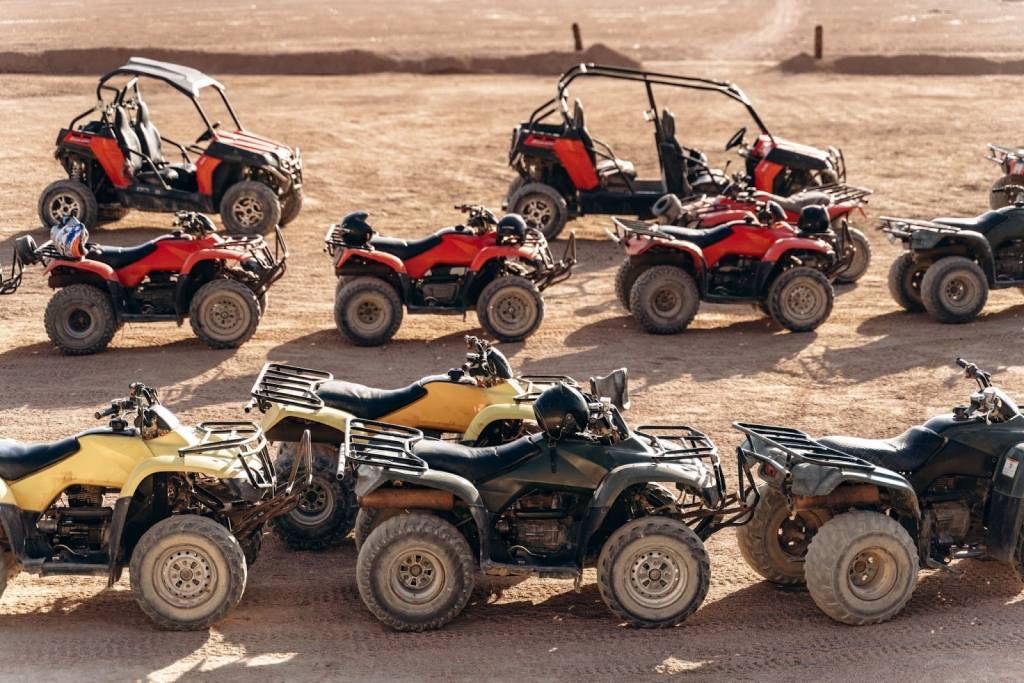
Hunters value utility ATVs for steady operation and cargo capacity. Storage racks secure gear over uneven terrain. Winches assist with recovery tasks. Quiet engines limit disturbance in natural areas. This outdoor design supports extended trips. Utility ATVs perform reliably in remote locations.
Sport ATVs for Speed and Control
Sport ATVs focus on agility and rapid response. Lightweight frames reduce rider fatigue during aggressive riding. Suspension systems manage impacts from jumps and obstacles. These machines suit skilled recreational and competitive riders.
Trail Riding
Trail-focused sport ATVs handle narrow paths with precision. Throttle response allows quick speed adjustments. Suspension absorbs roots and rocks effectively. Braking systems support controlled descents—this trail setup rewards active riding techniques. Sport ATVs excel in wooded environments.
Track and Racing Use
Track ATVs are engineered for high-speed stability. Reinforced frames withstand repeated impacts. Engines produce higher horsepower outputs. Adjustable suspension fine-tunes handling. Tires grip hard-packed surfaces reliably. This design demands frequent maintenance.
Dune and Open Terrain Riding
Dune riders prefer sport ATVs with strong acceleration. Paddle tires improve traction on sand. Cooling systems manage heat exposure. Lightweight frames prevent sinking. This setup supports wide-open riding. Sport ATVs dominate desert terrain.
Recreational ATVs for General Riding
Recreational ATVs balance comfort with dependable performance. These models appeal to families and casual riders. Controls feel intuitive and forgiving. Recreational ATVs support a wide range of activities.
Entry-Level Recreation
Entry-level recreational ATVs feature manageable engine sizes. Smooth throttle response builds rider confidence. Seats provide comfort during longer rides. Maintenance remains straightforward. This accessibility attracts new riders. These ATVs ease the learning process.
Multi-Purpose Recreation
Some recreational ATVs support light utility work. Engines balance torque and moderate speed. Suspension adapts well to mixed terrain. Families appreciate shared usability. This versatility suits varied lifestyles. Recreational ATVs handle changing needs.
Recreational ATVs for Family Use
Families choose recreational ATVs for shared outdoor time. Stable handling improves safety. Seating supports comfort across age groups. Predictable performance reduces stress. This family-oriented design encourages responsible riding. Recreational ATVs remain approachable.
Youth and Beginner ATVs for Safe Learning
Youth and beginner ATVs support controlled skill development. Safety features limit speed and power. Designs emphasize balance and predictability. Learning progresses at a steady pace.
For Younger Riders
Youth ATVs feature scaled frames and controls for smaller riders. Speed limiters allow adult oversight. Throttle response remains smooth. Safety certifications guide purchases. This youth-focused design builds confidence gradually. Supervision remains essential.
For Adult Riders
Adult beginners benefit from stable platforms. Automatic transmissions simplify operation. Seat height improves balance at stops. Suspension absorbs common mistakes. This beginner design supports confidence growth. Riders progress safely.
Specialty ATVs for Extreme Conditions
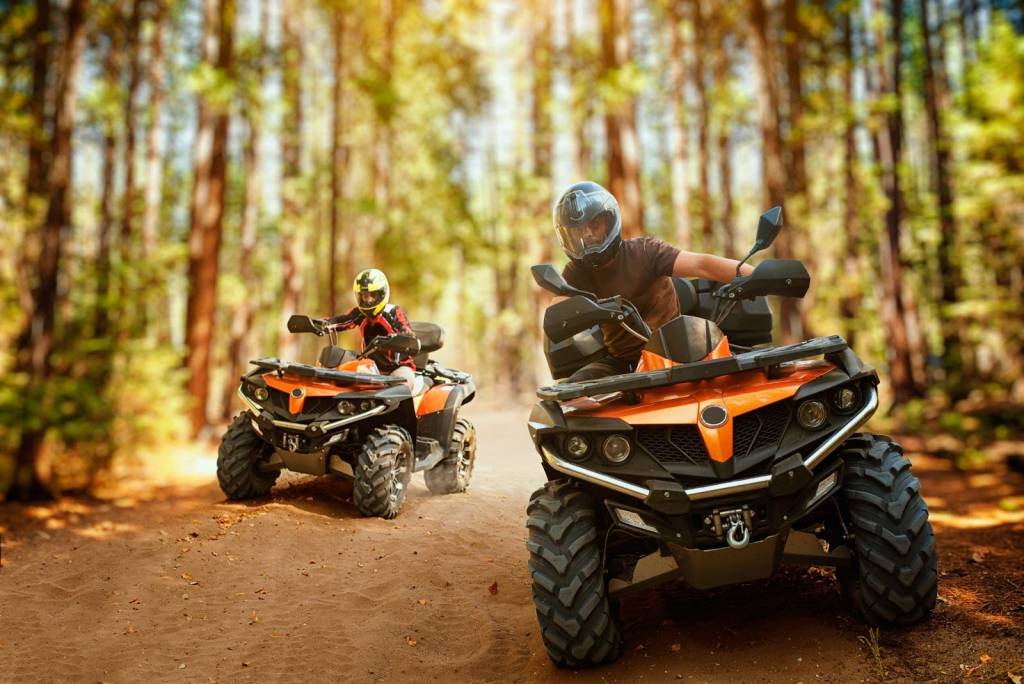
Specialty ATVs are for environments beyond standard use. These machines focus on traction and clearance. Design changes improve performance in harsh conditions. Specialty ATVs serve targeted purposes.
Mud and Swamp ATVs
Mud ATVs feature aggressive tire patterns. Lifted suspensions improve clearance. Sealed components resist water damage. Engines focus on torque delivery. This design excels in saturated terrain. Mud riding remains popular.
Snow and Ice ATVs
Snow ATVs are equipped with tracks or studded tires. Cold-rated engines improve reliability. Heated grips increase comfort. This setup supports winter travel. Stability remains critical. Seasonal capability adds value.
Electric ATVs and Modern Advancements
Electric ATVs continue gaining attention. These machines reduce noise and routine maintenance. Technology integration improves usability. Adoption expands steadily.
Electric ATVs for Quiet Environments
Electric motors operate with minimal sound. Instant torque delivers smooth acceleration. Charging replaces fuel storage. This quiet operation suits sensitive areas. Maintenance needs remain lower. Electric ATVs support responsible use.
Smart Technology in Modern ATVs
Modern ATVs feature digital dashboards. Power steering reduces fatigue. GPS aids navigation. Ride modes adjust performance. This technology improves control. Riders benefit from better feedback.
Terrain Impact and Environmental Effects of ATVs
ATVs interact directly with soil, vegetation, and trail systems every time they operate. The type of ATV used plays a clear role in how much stress the land absorbs over time. Weight distribution, tire design, and power delivery all influence ground disturbance. Understanding these effects helps riders protect access, property value, and long-term usability of riding areas.
How ATV Weight and Tires Affect Soil Health
ATV weight determines the amount of pressure transferred to the ground during operation. Heavier utility ATVs compress soil more deeply, especially when carrying loads or towing equipment. This soil compaction reduces water absorption and, over time, affects plant growth. Tire width and tread pattern further influence how force spreads across the surface. Aggressive treads can dig into soft ground, creating ruts that worsen with repeated use. This terrain damage often becomes permanent without restoration.
Trail Erosion Linked to ATV Speed and Power
ATV speed directly affects erosion on trails and slopes. Sport ATVs accelerate quickly, which can displace loose soil and gravel. Repeated high-speed riding strips protective top layers from trails. This erosion exposes roots and rocks, making trails less stable. Over time, affected trails widen as riders avoid damaged sections. This erosion pattern often leads to restricted access or trail closures.
Vegetation Damage and Recovery Time
ATVs can damage vegetation when riders leave established paths. Repeated passes crush grasses and young plants before they regenerate. Utility ATVs increase this risk when hauling loads across soft ground. Recovery time depends on soil type, climate, and usage frequency. Some environments recover within months, while others take years. This vegetation loss contributes to long-term habitat disruption.
Comparing Environmental Impact by ATV Type
Utility ATVs tend to cause greater ground disturbance due to their weight and workload. Sport ATVs create more surface disruption through speed and aggressive riding. Recreational ATVs generally apply lighter, more evenly distributed pressure. Electric ATVs often reduce impact due to quieter operation and smoother torque delivery. This comparison shows how design influences land interaction. Choosing the right ATV type reduces unintended damage.
Responsible Riding Practices That Reduce Damage
Riders can limit terrain damage by operating mindfully. Staying on designated trails prevents unnecessary vegetation loss. Avoiding wet ground reduces rut formation and erosion. Proper tire pressure helps evenly distribute weight. Matching ATV type to terrain minimizes strain. These responsible habits preserve riding access and land health.
Experience ATVs With Purpose and Confidence
ATVs shape how people work, explore, and interact with the land, making the choice more than a simple purchase. The right ATV supports productivity, protects terrain, and preserves access for future rides. Working ranches that offer guided ATV experiences quietly show how proper machines and responsible riding create safer, more rewarding days outdoors. When riders align ATV type with terrain, intent, and long-term impact, every ride delivers value beyond the trail.
For practical perspectives on ATVs and outdoor riding experiences, visit the Rancho DM Horse Club blog and expand your understanding.