
Learning to ride a horse often begins with curiosity, excitement, and many practical questions. One of the first concerns is price, especially for beginners comparing different barns. Costs can feel confusing because they include animal care, professional teaching, and safety infrastructure. Riders who understand what shapes pricing make more confident and informed decisions. For anyone considering formal instruction, knowing how pricing works for horseback riding lessons removes uncertainty and supports better planning.
What Horseback Riding Lesson Costs Include
Horseback riding lesson fees reflect the full scope of operating a safe and professional riding program. Instruction time accounts for only one part of the total cost of running a stable. Horses require daily care, facilities need upkeep, and instructors invest time beyond scheduled lessons. These combined responsibilities explain why lesson prices vary between barns.
Why Riding Lesson Prices Differ Between Programs
Riding lesson prices differ because barns operate under distinct structures and priorities. Some programs focus on individualized instruction, while others emphasize broader access through group lessons. Horses must be fed, groomed, exercised, and monitored every day, regardless of lesson schedules. These fixed responsibilities create baseline costs for every facility. Instructor-to-student ratios also influence pricing, since fewer riders per lesson increase staffing demands. Together, these operational differences explain why pricing rarely looks uniform.
How Horse Training Influences Lesson Pricing
Lesson horses undergo consistent training to remain calm, predictable, and responsive. This training supports rider safety and steady skill development. Professional schooling requires time, experience, and regular reinforcement. Horses that are unsuitable for lessons eventually require retirement planning, which adds long-term costs. Programs that invest in training maintain higher standards across lessons. Pricing reflects this ongoing commitment to reliability and safety.
Insurance and Safety Costs in Riding Instruction
Equestrian facilities carry inherent risks that require comprehensive insurance coverage. Liability insurance protects riders, instructors, and barn owners. Safety equipment such as helmets, fencing, and arena footing must meet strict standards. Regular inspections and replacements add recurring expenses. These precautions reduce accidents and protect everyone involved. Lesson fees absorb these essential safety costs.
Average Cost of Horseback Riding Lessons
Horseback riding lessons generally fall within predictable pricing ranges. These averages help riders judge value without relying on the lowest advertised rate. Prices vary based on skill level, lesson format, and local demand. Understanding these ranges helps riders budget realistically.
Beginner Horseback Riding Lesson Prices
Beginner riding lessons typically cost between $40 and $75 per session. These lessons emphasize safety, balance, and basic communication with the horse. Instruction often includes grooming and tack handling in addition to riding time. Beginner horses require steady temperaments and careful training. Maintaining such horses increases program expenses. These lessons focus on building confidence rather than speed.
Intermediate Riding Lesson Price Ranges
Intermediate lessons usually range from $60 to $90. Riders at this level work on refinement, balance, and consistency. Instruction becomes more technical and precise. Horses must respond reliably to subtle cues. Facilities often require better footing and controlled environments. Pricing reflects the increased complexity of instruction.
Advanced Riding Lesson Cost Expectations
Advanced riding lessons often cost between $80 and $100. These sessions involve detailed corrections and higher-level movements. Horses at this stage require advanced training and conditioning. Instructors provide focused feedback to refine technique. Lessons may include jumping or precision work. Costs rise to match the level of expertise involved.
Youth Versus Adult Riding Lesson Pricing
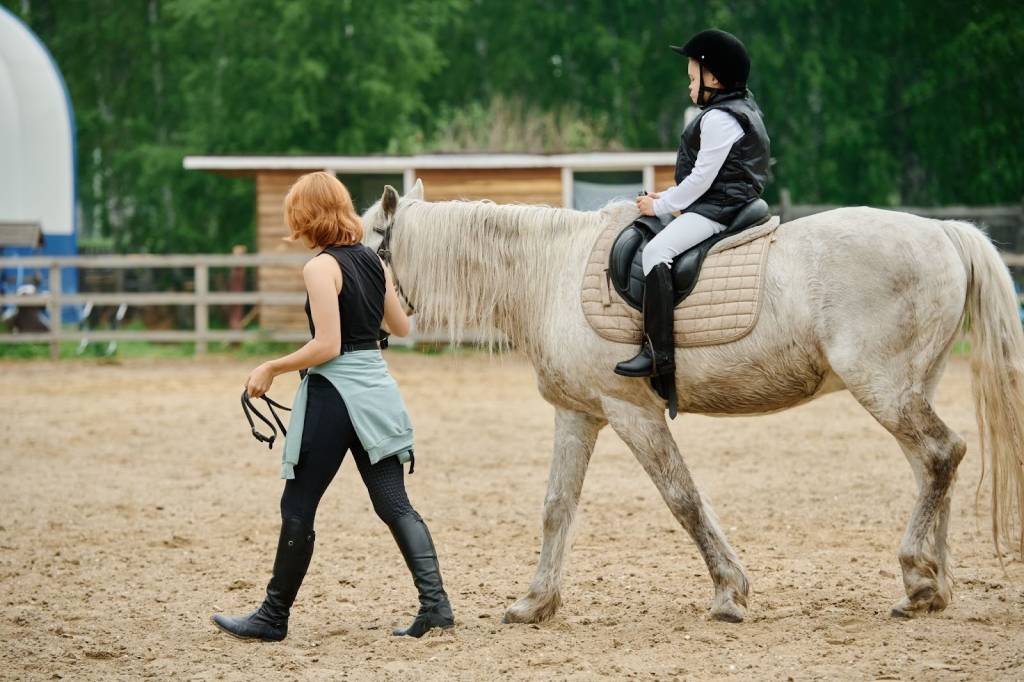
Youth riding lessons sometimes cost slightly less due to shorter session lengths. Younger riders require closer supervision and safety monitoring. Pony programs involve specialized care and equipment. Adult lessons often last longer and include more technical discussion. These differences affect staffing and horse selection. Pricing reflects age-specific instructional needs.
Private Versus Group Riding Lesson Costs
Lesson format plays a clear role in determining price and learning pace. Riders typically choose private, group, or semi-private instruction. Each option serves different goals and budgets. Understanding these formats helps riders make appropriate choices.
Private Horseback Riding Lesson Pricing
Private lessons provide one-on-one instruction tailored to individual needs. Instructors adjust exercises and pacing in real time. Horse selection aligns closely with rider ability and comfort. Immediate feedback accelerates progress and confidence. Prices generally range from $75 to $120. This format suits riders seeking focused improvement.
Group Riding Lesson Pricing
Group lessons spread instructional costs across multiple riders. Sessions usually include three to six participants. Riders benefit from observing others while receiving guidance. Individual feedback time may feel limited. Prices typically range from $40 to $60. This format suits social learners and beginners.
Semi-Private Riding Lessons as a Cost Balance
Semi-private lessons involve two riders sharing instruction. This structure balances personal attention with affordability. Riders often share similar skill levels. Instruction remains more focused than in larger groups. Pricing falls between private and group lessons. This option works well for friends or family members.
Key Factors That Influence Riding Lesson Prices
Several practical factors shape the pricing of horseback riding lessons. These elements explain differences beyond lesson length alone. Understanding them helps riders assess overall value. Cost comparisons make more sense in this context.
Instructor Experience and Professional Training
Instructors with extensive experience charge higher rates. Certifications reflect formal education and skill development. Teaching experience improves clarity and problem-solving. Skilled instructors anticipate common rider challenges. Progress tends to improve under experienced guidance. Pricing reflects years of accumulated expertise.
Facility Quality and Riding Amenities
Facilities with indoor arenas offer year-round instruction. Arena footing requires regular maintenance to prevent injuries. Clean tack rooms and viewing areas improve comfort. These amenities increase operational expenses. Lesson prices reflect facility investments. Quality environments support consistent learning.
Lesson Duration and Structure Differences
Lesson length directly affects pricing transparency. Some barns offer shorter sessions at reduced rates. Full-hour lessons often include riding and theory discussion. Longer sessions allow deeper learning. Pricing adjusts to match time and structure. Riders should confirm lesson duration before booking.
How Location Affects Riding Lesson Costs
Geographic location strongly influences lesson pricing. Land costs, labor expenses, and demand vary widely. Riders may notice sharp differences between nearby regions. Awareness of location-based pricing prevents unrealistic expectations.
Urban Riding Lesson Pricing Trends
Urban riding facilities face high land and staffing costs. Limited space restricts lesson availability. Demand remains strong in metropolitan areas. Prices rise to reflect scarcity and overhead. Riders pay for convenience and access. Urban lessons reflect these pressures.
Suburban and Rural Riding Lesson Costs
Suburban barns balance accessibility with moderate overhead. Rural facilities benefit from lower land expenses. Larger properties allow flexible scheduling. Prices often remain more competitive. Travel time may increase for riders. Affordability improves with distance.
Horseback Riding Lessons During Vacation
Horseback riding lessons during vacation offer a focused learning option for riders with limited time. Travelers often seek instruction in regions known for established riding programs. Pricing may differ based on seasonal demand and local operating costs. Some riders schedule several lessons within a single week to maximize progress. Exposure to different instructors and horses encourages adaptability and broader skill development. These short-term programs work best when riders understand the lesson structure and expectations in advance.
Additional Costs Beyond Lesson Fees
Lesson prices rarely represent total riding expenses. Riders often encounter additional costs after starting instruction. Awareness helps prevent budget surprises. Preparation supports long-term participation.
Riding Apparel and Safety Equipment Costs
Proper riding gear supports comfort and safety. Approved helmets remain mandatory at most barns. Boots protect feet and improve stirrup stability. Breeches enhance movement and grip. Quality gear lasts longer but costs more. Initial purchases add to overall expenses.
Horse Leasing and Practice Ride Fees
Leasing a horse provides extra practice opportunities. Riders gain consistency outside formal lessons. Monthly lease fees vary by facility. Practice time improves skill retention. Not all barns allow independent riding. Leasing remains optional but common.
Lesson Frequency and Total Riding Costs
Lesson frequency shapes both progress and spending. Regular instruction improves skill retention and confidence. Scheduling choices influence monthly budgets. Strategic planning maximizes value.
Weekly Riding Lesson Commitments
Weekly lessons support steady improvement. Muscle memory develops through consistent practice. Costs increase every month. Progress becomes visible more quickly. Instructors often recommend this schedule. Commitment supports confidence growth.
Less Frequent Riding Lesson Schedules
Biweekly lessons reduce immediate expenses. Skill retention slows between sessions. Riders may revisit basics repeatedly. This schedule suits casual learners. Progress feels gradual rather than rapid. Budget flexibility increases.
How Instructional Style Shapes Long-Term Lesson Costs
Instructional style directly influences how much riders spend over months or years. Lesson pricing often reflects teaching approach rather than just time spent riding. Programs with structured progression help riders advance efficiently. Understanding a teacher’s style helps riders evaluate the true cost beyond hourly rates.
Structured Riding Programs and Cost Efficiency
Structured riding programs follow clear skill progressions with defined goals. Instructors introduce skills in logical sequences that build consistently. Riders avoid repeating foundational lessons unnecessarily. This efficiency reduces the total number of lessons required to advance. Although per-lesson prices may appear higher, long-term costs often decrease. Riders benefit from steady progress without stalled learning.
Casual Instruction and Repeated Skill Gaps
Casual instruction lacks a clear roadmap for rider development. Lessons may focus on immediate riding rather than long-term improvement. Riders often revisit the same basics without making progress. This repetition increases total lesson counts over time. Lower upfront pricing can mask higher cumulative costs. Progress feels slower despite frequent lessons.
Instructor Feedback Style and Learning Retention
Effective instructors explain corrections clearly and consistently. Riders retain skills better when feedback remains specific and timely. Confusing instructions lead to repeated mistakes. Correcting habits later requires additional lessons. Clear communication shortens learning timelines. Lesson value increases through better retention.
Curriculum Planning and Rider Confidence
Programs with planned curricula build confidence alongside skills. Riders understand what they are working toward each session. Confidence reduces hesitation and improves execution. Hesitant riders often require extra lessons to progress. Structured teaching supports both mental and physical readiness. This clarity lowers long-term lesson expenses.
Select Horseback Riding Lessons That Deliver Progress
Progress in riding comes from informed decisions, not guesswork or assumptions about price. Riders who evaluate teaching structure, horse care standards, and long-term efficiency gain more from every lesson. The right program builds skills steadily while reducing repeated instruction and stalled improvement. Choosing with clarity sets the foundation for confidence, consistency, and lasting results in horseback riding lessons.
Visit the Rancho DM Horse Club blog for clear, experience-driven perspectives that support smarter riding decisions and long-term growth.