Animal encounters have a way of turning curiosity into understanding without feeling forced. When children interact with gentle livestock and small farm species, learning becomes physical, social, and emotional at the same time. These experiences make learning approachable, which helps learners relax and engage more openly. Parents and educators often notice richer conversations and longer attention spans after these visits. Hands-on animal experiences create learning moments that feel authentic and easy to remember.
Educational Value of Animal-Based Learning
Animal-based learning introduces concepts through experience rather than solely through explanation. Children learn by observing movement, texture, and behavior in real time. This approach helps ideas feel more concrete rather than abstract. Learning environments that include live animals often support stronger understanding across age groups.
Direct Interaction Builds Practical Understanding
Hands-on interaction allows children to understand ideas through action instead of repetition. Touching fur or watching an animal respond reinforces awareness and focus. These moments naturally invite questions that deepen comprehension. Attention tends to last longer because the experience feels engaging. Educators frequently observe increased participation during animal-centered activities. Experiential learning models often reference these interactions as practical teaching tools.
Connecting Animal Encounters to School Topics
Live animal experiences help children link classroom lessons to the real world. Concepts such as habitats, diets, and life cycles gain clarity through observation. These connections reduce reliance on memorization. Teachers often revisit animal encounters when reinforcing lessons later. Learning feels relevant because it mirrors everyday experiences. This context supports stronger academic retention.
Encouraging Independent Discovery
Animal environments allow children to explore at their own pace. Curiosity guides attention without constant direction. Children choose what to observe and which questions to ask. Adults support learning without interrupting discovery. This balance builds confidence in personal exploration. Independent learning habits often develop from these moments.
Cognitive Growth Through Animal Encounters
Animal encounters promote active thinking rather than passive listening. Children naturally observe details, compare behaviors, and draw conclusions. Reasoning develops without tests or worksheets. These relaxed settings support thoughtful engagement.
Curiosity That Drives Learning
Animals respond in ways that feel unpredictable, which sparks curiosity. That curiosity encourages children to ask questions rooted in observation. Each question opens the door to exploration and reasoning. Children feel validated when adults acknowledge their interests. Early education research often links curiosity to stronger cognitive flexibility. This learning style supports ongoing intellectual engagement.
Strengthening Memory Through Sensory Input
Learning tied to multiple senses tends to last longer. Touch, sound, and sight work together to reinforce understanding. Children recall lived experiences more clearly than verbal explanations. Emotional connection strengthens memory over time. Educators frequently note improved recall after hands-on animal sessions. Sensory learning aligns with widely accepted principles of child development.
Developing Early Critical Thinking Skills
Watching animal behavior encourages analysis and prediction. Children notice patterns and adjust actions based on outcomes. Thinking becomes adaptive rather than rigid. Calm observation supports thoughtful decision-making. These moments introduce early critical thinking skills. Such skills form a foundation for later academic growth.
Age-Specific Learning Outcomes in Animal Experiences
Animal-based learning supports diverse developmental needs across ages. Younger children respond strongly to sensory input, while older learners engage through observation and reasoning. These experiences adjust naturally as children grow, without changing the environment itself. Learning feels appropriate rather than forced because it meets children where they are.
Early Childhood Sensory and Emotional Learning
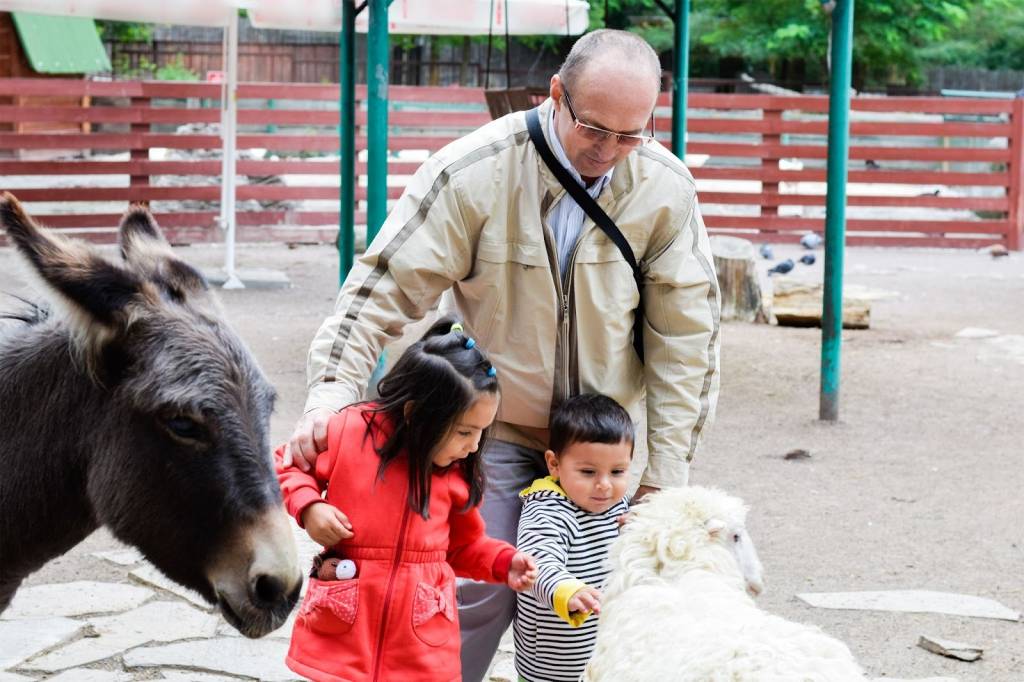
For toddlers and young preschoolers, animal interaction supports sensory awareness and emotional comfort. Touching fur, hearing soft sounds, and watching gentle movement help regulate attention and mood. These early encounters often reduce anxiety in new environments. Emotional responses become calmer through repeated exposure. Language begins to develop as children label what they see and feel. Learning happens quietly through presence and reassurance.
Preschool and Early School-Age Cognitive Growth
As children grow, animal encounters encourage more intentional observation. Preschool and early elementary learners begin asking structured questions about behavior and needs. Comparisons between animals support early classification skills. Cause-and-effect thinking develops as children notice reactions to movement or sound. Responsibility grows when care routines are explained. Learning becomes more reflective and intentional during this stage.
Older Children and Abstract Thinking Development
For older children, animal interaction supports abstract thinking and ethical awareness. Learners begin connecting animal care to broader topics like ecosystems and responsibility. Observation leads to discussion rather than simple reaction. Children reflect on their behavior rather than participate. These moments support early critical thinking and values-based learning. Understanding expands beyond the immediate experience.
Social Development in Shared Animal Settings
Shared animal experiences naturally encourage interaction. Children communicate, cooperate, and observe social cues together. Social learning emerges without formal instruction. These skills often carry into other group environments.
Cooperation and Patience in Group Spaces
Animal interaction spaces require children to share attention and space. Waiting turns becomes part of the experience. Children adjust their behavior by observing their peers. Cooperation develops through participation rather than correction. Educators often notice improved group dynamics afterward. Social awareness grows through shared responsibility.
Building Confidence Through Shared Focus
A shared point of interest reduces social pressure. Children speak more freely when attention centers on animals. Describing what they see feels natural and low risk. Verbal confidence builds through positive exchanges. Specialists frequently observe increased participation in these environments. Communication skills extend beyond the setting.
Learning Respectful Interaction
Animal encounters teach respect through real consequences. Children learn to lower their voices and move gently. Awareness of others waiting nearby shapes behavior. Respect develops through experience rather than rules. These lessons support empathy and patience. Social interactions become more thoughtful overall.
Emotional Learning Through Gentle Animal Contact
Calm animal interactions support emotional awareness. Children learn to recognize comfort, stress, and response cues. Emotional understanding grows through observation. These experiences feel meaningful because care is involved.
Developing Empathy Through Observation
Animals communicate comfort through movement and behavior. Children learn to notice these signals quickly. Responses adjust as awareness grows. Empathy develops through repeated exposure and care. Many educators view animal interaction as a foundation for compassion. Emotional sensitivity strengthens with practice.
Supporting Emotional Regulation
Quiet interaction spaces encourage calm behavior. Children’s slow movements help them naturally regulate reactions. Gentle engagement supports focus without verbal correction. Patience grows during quiet moments. Emotional balance improves over time. These benefits support learning and behavior alike.
Long-Term Behavioral Impact of Early Animal Interaction
Early animal experiences influence behavior well beyond the moment itself. Children often carry lessons of care, patience, and attention into other areas of life. These patterns develop gradually through repetition rather than instruction. Learning becomes part of behavior rather than a temporary activity.
Responsibility Shaped Through Repeated Exposure
Consistent interaction with animals reinforces responsibility through action. Children learn that behavior has consequences without needing to be corrected. Gentle handling teaches awareness of impact. Over time, responsibility becomes internal rather than prompted. These habits often extend to classroom tasks and peer interaction. Behavior shifts through experience rather than enforcement.
Building Respect for Living Systems
Animal encounters encourage respect for life through observation. Children notice rest, feeding cycles, and boundaries. This awareness supports understanding of balance and care. Respect grows without formal lessons on ethics. Behavior reflects consideration rather than impulse. These values often carry into environmental awareness later.
Strengthening Attention and Self-Regulation Over Time
Repeated calm interaction supports sustained attention. Children naturally learn to slow movements and reactions. Self-regulation improves without verbal reminders. Focus becomes easier in other learning settings. Educators often observe improved patience following animal-based experiences. Behavioral growth develops quietly but consistently.
Learning Beyond Traditional Classrooms
Animal-based learning extends education into open and community spaces. These environments connect lessons to lived experience. Children often engage more deeply outside structured classrooms. Understanding strengthens through direct application.
Educational Field Trips and Community Programs
Animal-focused outings combine enjoyment with learning. Education feels approachable rather than formal. Children associate learning with positive experiences. Community programs often see higher participation. Educators report stronger engagement during these events. Inclusive learning becomes more accessible.
Reinforcing Lessons Through Real Examples
Live animals clarify topics such as science and ecology. Concepts feel practical when observed firsthand. Children understand ideas through application. Reinforcement occurs without repetition. Teachers notice smoother transitions back to classroom learning. Continuity supports comprehension.
Encouraging Lifelong Learning Habits
Positive learning experiences shape long-term attitudes. Children remember learning as enjoyable and approachable. Curiosity extends beyond the visit. Interest often continues at home or school. These moments influence future engagement. Learning becomes self-motivated.
Physical Development Through Animal Interaction
Gentle animal interaction encourages controlled physical movement. Children use coordination and awareness intentionally. Physical engagement supports overall development. Movement blends naturally with learning.
Supporting Fine Motor Skills
Careful hand movements strengthen coordination. Feeding and gentle touching require control. Children practice precision with purpose. These skills support daily tasks. Therapists often recommend similar activities. Physical growth complements cognitive learning.
Building Spatial Awareness and Safety Skills
Shared spaces teach children to navigate carefully. Awareness of distance and boundaries improves naturally. Safety guidelines feel practical when applied. Impulsive behavior decreases with understanding. Movement becomes more intentional. Spatial awareness strengthens through experience.
Creating Safe and Structured Learning Environments
Well-organized settings support positive learning outcomes. Clear guidance builds trust and confidence. Structure helps children focus on exploration. Safety supports meaningful engagement.
Role of Supervision in Learning Quality
Adult guidance shapes respectful interaction. Calm modeling sets behavioral expectations. Children feel secure asking questions. Learning remains focused and supportive. Many programs follow established welfare standards. Structure supports consistent outcomes.
Teaching Hygiene Through Routine
Animal interaction naturally introduces hygiene habits. Handwashing becomes routine rather than forced. Children understand health practices through repetition. Awareness grows without anxiety. These habits support long-term well-being. Learning aligns with public health guidance.
Supporting Diverse Learning Styles With Animals
Animal-based environments adapt to different learning needs. Visual, tactile, and auditory learners benefit equally. Education becomes inclusive and flexible. Individual strengths receive support.
Visual and Hands-On Learning Support
Observation provides visual clarity. Physical interaction reinforces understanding. Movement adds context to learning. Visual learners benefit from real examples. Hands-on learners stay engaged longer. Retention improves through experience.
Observation and Listening Opportunities
Quiet spaces support reflective learners. Children process information at their own pace. Guided explanations help auditory learners. Learning adapts without pressure. Engagement remains balanced and respectful. Growth happens naturally.
Inspire Learning Through Safe Animal Encounters
Thoughtfully managed animal experiences encourage learning that feels genuine and lasting. When safety, structure, and curiosity work together, children stay focused on discovery rather than instruction. Schools, families, and community programs often see stronger engagement when learning feels personal and approachable. These encounters support responsibility, empathy, and understanding through real interaction. Integrating safe animal experiences into education helps create learners who remain curious, attentive, and connected to the world around them.
Explore thoughtful perspectives on hands-on learning and animal interaction. Visit the Rancho DM Horse Club blog to read more.