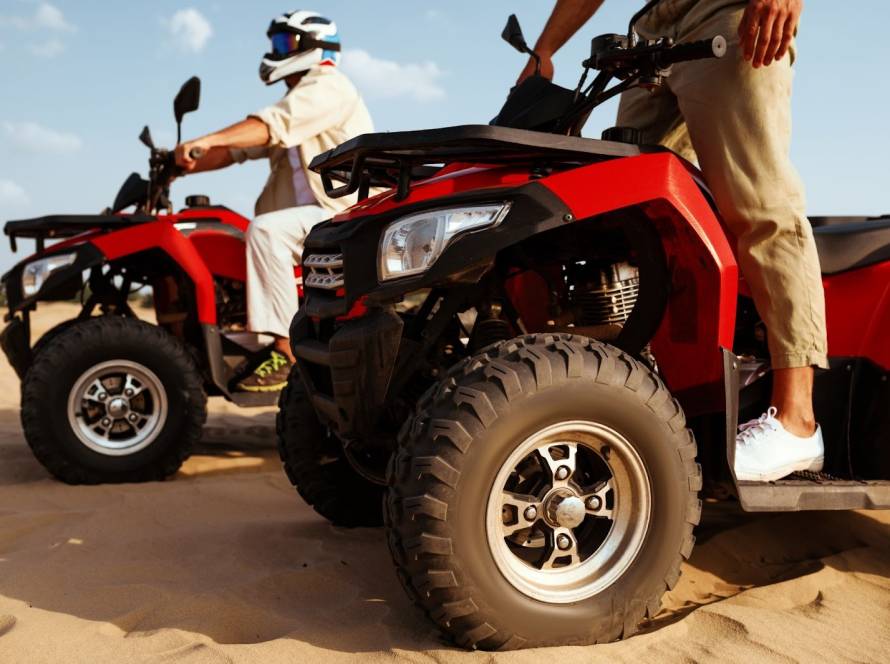
Four-wheeler riders face real risks during daily travel, work trips, and rugged paths, so safety choices matter for long-term confidence. Many owners rely on their vehicles for challenging routes that demand quick reactions and solid judgment. Good habits protect both the rider and the machine from sudden impacts. Smart decisions reduce strain, reduce repair costs, and support safer mobility. Riders who take safety seriously enjoy a smoother and more controlled experience on every route.
Four-Wheeler Safety Basics Explained
Four-wheeler safety basics provide riders with a solid foundation for better control. These core habits guide decision-making on every path and help prevent avoidable mistakes. These basics also support smoother handling during rough or crowded rides. Riders who follow them develop stronger awareness and more stable instincts.
Know Your Four-Wheeler’s Limits
A four-wheeler’s limits shape how safely it moves, so riders must learn how the machine responds under pressure. This knowledge helps avoid tipping, sliding, or power loss during uneven terrain. This understanding also prevents riders from pushing weight loads that strain the suspension. Every model has a unique balance, so practice builds trust in real conditions. Riders who know actual limits gain more control during sharp turns or steep climbs. These insights guide safer decisions during each ride.
Build a Solid Pre-Ride Routine
A solid pre-ride routine reduces mechanical risks and creates smoother trips. This quick habit helps riders spot leaks, low fluid levels, or loose bolts before moving. This simple scan prevents roadside issues that can interrupt long travel. Riders also stay more focused when they begin the trip with awareness. A few minutes of checking tires and controls protects the entire outing. These habits grow into reliable discipline for riders of any skill level.
Use Balanced Posture on Any Terrain
A balanced posture supports handling on hills, dips, and loose soil because shifting weight affects stability. This mindful positioning keeps the center of gravity steady while the terrain changes quickly. This technique also reduces strain on arms and legs during long routes. Riders who practice leaning forward on climbs and back on descents gain more traction. Smooth posture changes help the tires maintain firm contact with the surface. These actions protect riders from sudden imbalance.
Four-Wheeler Protective Gear Essentials
Four-wheeler gear protects riders from substantial impacts, flying debris, and harsh weather. These layers of protection reduce the risk of injury during sudden slips or collisions. These essentials also improve comfort, helping ensure longer, safer rides. Riders who gear up stay prepared for unpredictable conditions.
Pick a Helmet With a Secure Fit
A well-fitted helmet shields the head from direct impact and sharp objects. This protection works best when the padding stays tight against the skin without wobbling. This fit prevents the helmet from shifting during sudden movement. Riders should choose models with proper ventilation for more extended comfort. A strong chin strap keeps the helmet in place at all times. This choice becomes the most critical safety upgrade for any rider.
Add Body Armor for Full Coverage
Body armor reduces force against ribs, shoulders, elbows, and legs during rough terrain. This protective gear should allow for flexible movement without tight pressure. This comfort helps riders shift weight smoothly during climbs or dips. Gloves protect hands from vibration and sharp debris, while boots support ankle strength. Padding lowers the impact of sudden hits from rocks or branches. This complete set creates a safer shield for regular and off-road trips.

Use Eye and Face Protection
Eye protection blocks dirt, wind, branches, and insects that disrupt sight on busy or dusty routes. This shield creates clearer vision during fast rides or bright sunlight. This protection also reduces dryness that can distract riders after prolonged exposure. Explicit lenses support night riding, while tinted ones help in intense light. Riders benefit from good depth perception when their eyes remain strain-free. This attention to visibility supports every safe decision ahead.
Better Four-Wheeler Riding Techniques
Better riding techniques help four-wheeler owners handle sharp turns, uneven terrain, and heavy traffic. These methods support controlled movement and reduce panic during sudden hazards. These skills also shape safer habits that protect both rider and vehicle. Practice makes each maneuver feel smoother and more predictable.
Maintain a Stable Riding Stance
A stable stance gives riders more control during rough stretches or high-speed travel. This position keeps hands relaxed and knees close to the frame for steadier movement. This form allows quick reactions to bumps or dips. Riders who stay centered reduce unwanted swaying that strains the vehicle. Proper posture also reduces muscle fatigue during long routes. This steady form creates a more substantial base for safe riding.
Adjust Speed Based on Terrain
Speed must shift with changing surfaces because traction varies across soil, gravel, and wet ground. This adjustment prevents sudden skids that cause loss of control. This habit also helps the four-wheeler maintain a firmer grip when conditions shift fast. Riders gain smoother handling when they increase speed only on stable ground. Slowing down early helps avoid abrupt braking. This awareness keeps the ride controlled from start to finish.
Practice Braking With Precision
Braking requires even pressure to keep the wheels turning without locking. This control reduces sliding on slick paths and loose soil. This skill also supports safer stops near traffic or blind corners. Riders should test their brakes before every ride to feel the resistance. Smooth application reduces engine and brake strain. This technique prevents abrupt jolts during sudden stops.
Improve Turning Control
Turning control depends on timing, speed reduction, and line-of-sight direction. This action works better when riders slow before entering the curve. This approach keeps the wheels from lifting during sharper angles. Leaning slightly inward helps maintain balance. Smooth throttle control allows the turn to flow without slipping. This method builds rider confidence on narrow or twisting paths.
Four-Wheeler Maintenance for Safety
Four-wheeler maintenance protects the engine, suspension, and braking system during daily use. These tasks reduce breakdown risk and improve performance on every route. These efforts also extend the vehicle’s life with consistent care. Riders who stay proactive enjoy safer and smoother trips.
Check Tires and Brakes Before Riding
Tire inspection helps riders catch thinning tread or low tire pressure before it’s too late. This check also prevents slipping on wet or loose ground. This simple step improves the machine’s stability during long rides. Brake checks reveal worn pads or weak resistance. Strange noises signal the need for repair, so riders should act quickly. This attention to tires and brakes supports the safest part of the ride.
Monitor Fluids and Key Parts
Fluids such as oil and coolant keep the engine cool and smooth. This care reduces grinding and heat buildup that weaken vital parts. This routine also supports better performance during long climbs and heavy loads. Riders should grease joints and chains for cleaner movement. Loose bolts cause rattling that distracts riders. This maintenance helps the four-wheeler stay responsive.
Clean or Replace Air Filters
Air filters trap dust and debris that limit engine airflow. This cleaning improves acceleration and reduces fuel consumption. This step also prevents dirt from entering the engine. Riders in dry zones should check filters more often. Fresh filters help the engine breathe more freely, resulting in stronger output. This attention to airflow boosts overall performance.
Test Battery Strength Regularly
Battery strength drops with heat, cold, or long idle times. This check helps riders avoid stalls during work trips or off-road travel. This action also reveals corrosion that weakens electrical flow. Riders should clean the terminals to maintain a strong connection. Weak batteries delay ignition and waste time. This small task keeps the four-wheeler ready for any route.
Four-Wheeler Risk Awareness on Roads
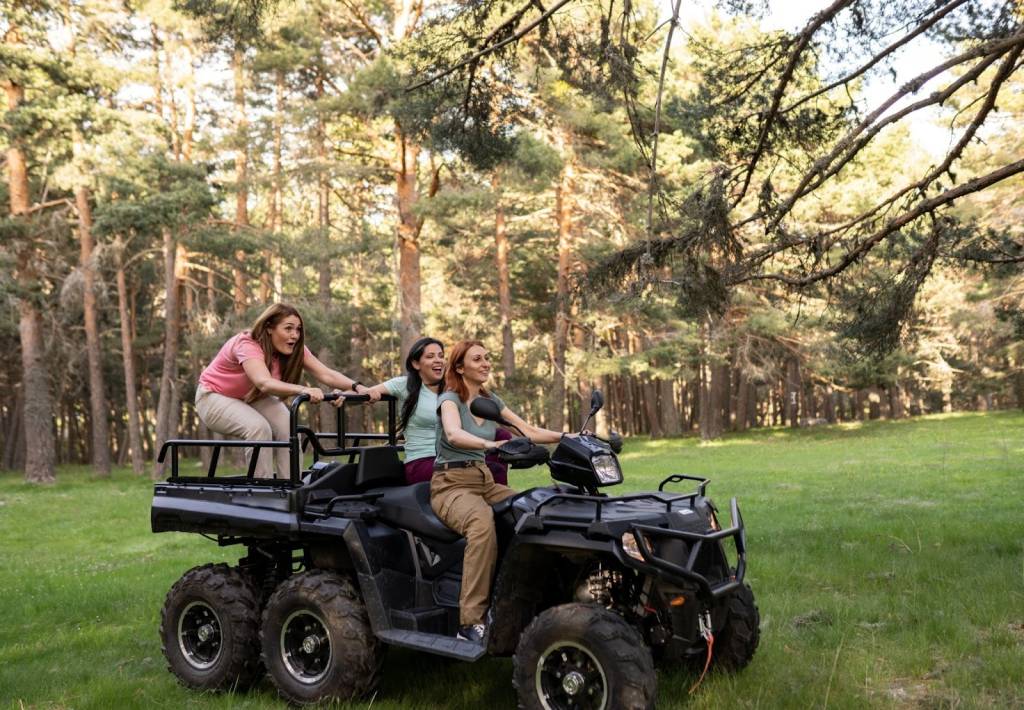
Risk awareness helps riders stay alert during traffic, weather shifts, and crowded trails. These observations offer more reaction time when hazards appear. These habits also support smoother decision-making on confusing or narrow paths; riders who stay aware ride with more confidence.
Handle Low-Visibility Conditions Carefully
Fog, dust, and late-day shadows reduce depth perception and reaction time. This challenge requires slower speeds and wider spacing. This condition also demands clean headlights for stronger visibility. Reflective gear helps others see the rider on dim routes. Hazards like puddles or rocks hide easily in fading light. This attention to vision keeps riders safer.
Follow Riding Rules and Boundaries
Local rules protect riding paths from damage and prevent conflicts with other users. This guidance keeps riders within safe zones that are designed for the vehicle’s weight and speed. This structure also reduces fines or disputes. Staying on approved trails protects the environment. Respecting posted signs creates safer experiences for everyone. This discipline builds trust among the riding community.
Share Space With Others Safely
Public paths often include bicycles, walkers, and cars. This shared environment requires patience and clear signals. This cooperation prevents collisions in narrow areas. Riders should slow down when passing groups. Predictable movement helps others judge distance. This respect supports safer shared routes.
Emergency Preparedness for Riders
Emergency readiness protects riders in the event of injuries, breakdowns, or sudden hazards. These plans offer support when conditions shift quickly. These habits reduce panic and guide clear decisions. Riders who prepare stay safer on remote routes.
Carry Tools and First Aid Supplies
Basic tools help fix loose bolts, flat tires, or chain issues. This small kit saves riders from long delays. This setup should include pliers, wrenches, and patch items. First-aid gear supports minor injuries, such as cuts or scrapes. Bandages and wraps help stabilize minor wounds. This preparation adds comfort during unexpected trouble.
Take Proper Steps After a Crash
Crash moments cause shock and confusion, so riders should pause and assess injuries first. This decision supports safety before calling for help. This step also includes turning off the engine. Photos help document damage for later review. Riders should move only when safe to do so. This calm approach guides clearer judgment.
Four-Wheeler Safety Choices for the Future
Future safety grows from smarter upgrades, ongoing learning, and careful reflection. These choices shape long-term protection for every rider. These efforts also support higher control during daily trips and demanding routes. Riders who commit now gain more reliable rides ahead.
Upgrade Parts and Skills With Purpose
Upgraded lights, suspension, or tires help riders tackle rough paths. This investment supports clearer visibility and steadier handling. Training courses teach sharper control techniques. This learning builds stronger instincts. Riders who practice often improve confidence. This improvement shapes safer habits.
Strengthen Responsible Riding Culture
Group rides influence how new riders behave. This leadership matters because habits spread fast. Safe actions motivate others to follow suit. Communication helps riders move in harmony. Shared respect reduces confusion on trails. This culture keeps more riders protected.
Reinforce Four-Wheeler Practices for Confident Riding
Reinforce habits that raise your awareness every time you power up your four-wheeler. Your confidence grows when each choice reflects steady focus, thoughtful preparation, and respect for the path ahead. Strong habits shape how your machine responds in challenging moments and help you stay composed when the terrain shifts quickly. Commit to better practices now and build a riding experience that supports you with more control, clarity, and peace of mind.
Find steady guidance that strengthens your riding journey by visiting the Rancho DM Horse Club blog for clear insights shaped by real trail experience.