
Off-road machines have become a common part of outdoor recreation and working landscapes. These vehicles support travel and tasks in areas without paved roads. Their design balances stability, traction, and rider control across changing ground conditions. Visitors often see them used for exploration, maintenance, or guided outdoor experiences. A clear understanding of their role begins with knowing what an ATV is and why it fits these environments so well.
What an ATV Is and How It Functions
An ATV is a motorized vehicle designed specifically for off-road travel across uneven terrain. This vehicle usually has four low-pressure tires, a seat that riders straddle, and handlebars for steering. These features enable direct rider input, improving balance and control on unstable surfaces. That structure supports consistent performance on dirt, gravel, mud, sand, and snow.
Meaning Behind the All-Terrain Vehicle Term
The all-terrain vehicle label describes a machine built to handle multiple surface conditions rather than a single environment. This definition emphasizes adaptability, which distinguishes ATVs from road-only vehicles. Riders sit exposed to the environment, allowing them to feel terrain changes immediately. That physical feedback helps riders react quickly to obstacles or ground shifts. Most ATVs are designed for one rider, which keeps weight centered and predictable. This definition applies across manufacturers and regions.
Common Names People Use for ATVs
Many riders refer to an ATV as a four-wheeler or quad during everyday conversation. These names highlight the four-tire layout rather than technical features. Regional culture often influences which term people prefer. Despite different names, the vehicle design remains the same. Industry standards continue to use the ATV classification. That shared terminology helps buyers accurately compare models.
How ATVs Differ From Other Off-Road Vehicles
ATVs differ from dirt bikes in that they have four wheels, providing better balance without relying entirely on rider posture. These machines also differ from side-by-side vehicles in their size and seating position. Riders actively shift body weight to steer and stabilize an ATV. This riding style creates a more connected experience with the terrain. The compact frame allows access to narrow trails and dense areas. That capability makes ATVs practical in remote locations.
How ATVs Developed Over Time
ATVs emerged from early attempts to improve mobility across difficult land. Engineers focused on traction, balance, and mechanical reliability. Early designs revealed both advantages and safety challenges. Those lessons guided later refinements.
Early Off-Road Vehicle Designs
The first ATV designs were intended to replace walking and animal transport on rough ground. These early machines often used three wheels to reduce weight and complexity. While agile, that layout required careful handling. Riders experienced instability on slopes and sharp turns. Feedback from real-world use highlighted design limits. Those insights shaped future improvements.
The Shift Toward Four-Wheel Stability
Manufacturers moved toward four-wheel designs to improve balance and rider confidence. This change reduced rollover risk on uneven terrain. Four wheels also supported heavier loads during work tasks. Farmers and landowners began adopting ATVs more widely. Recreational riders noticed smoother handling. This shift defined the modern ATV structure.
Modern Refinements in ATV Design
Modern ATVs reflect years of testing and rider feedback. Suspension systems now absorb repeated impacts more effectively. Braking systems respond consistently across changing surfaces. Materials resist corrosion from mud and moisture. Controls remain intuitive for new riders. These refinements support durability and long-term use.
Types of ATVs Available Today
ATVs now serve varied purposes depending on design focus. Manufacturers group models by intended use and rider experience. This variety helps buyers make more informed choices. Understanding these categories simplifies ownership decisions.
Utility ATVs for Work and Property Use
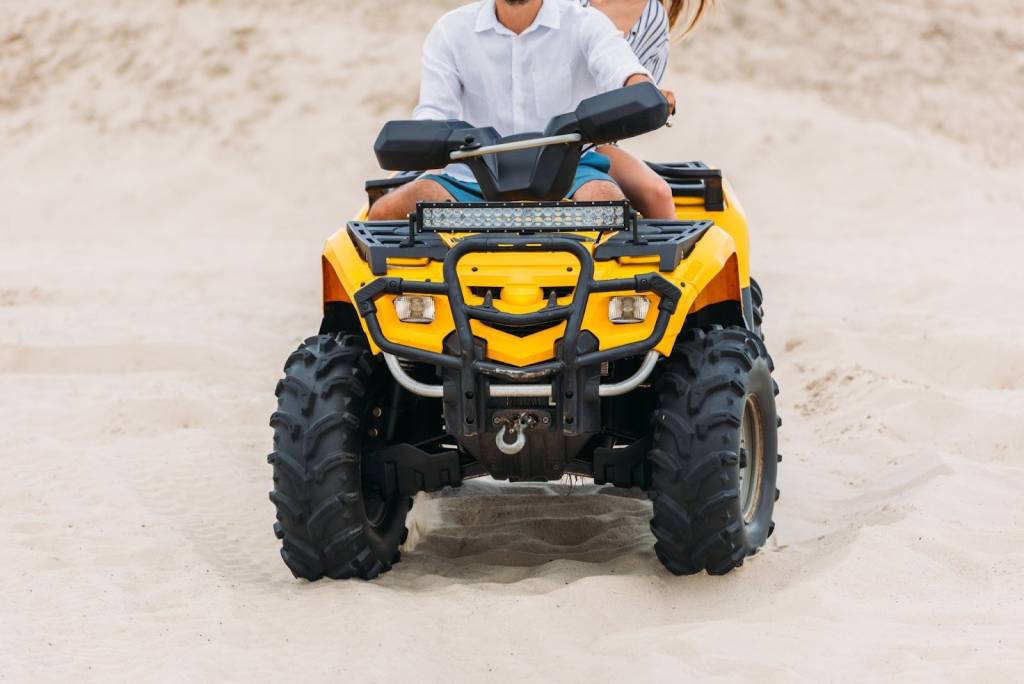
Utility ATVs are designed for strength and reliability rather than speed. These models usually include racks for tools, feed, or supplies. Many can tow trailers or small equipment. Four-wheel drive improves traction on soft or uneven ground. Farmers and property owners rely on these machines daily. Function remains the primary focus.
Sport ATVs for Performance Riding
Sport ATVs prioritize agility and responsiveness. Lightweight frames allow quick directional changes. Suspension systems support jumps and aggressive riding. Riders often use these models for trail riding or competition. Engine tuning favors fast throttle response. Skill and control play a larger role with this design.
Youth and Beginner ATVs
Youth ATVs offer controlled entry into riding. These machines limit engine output to manage speed. Safety features often include adjustable throttles. Smaller frames fit younger riders comfortably. Supervision remains important during use. This category supports gradual learning.
Hybrid ATVs for Mixed Purposes
Hybrid ATVs combine work features with recreational handling. These machines carry cargo while remaining trail-capable. Riders choose them for flexible weekly use. Engine sizes fall between utility and sport models. This balance suits changing needs. Hybrid designs continue gaining interest.
How ATVs Operate Mechanically
ATVs rely on straightforward mechanical systems designed for rugged conditions. Each system supports traction, control, and rider stability. Mechanical simplicity reduces maintenance complexity. Understanding these basics helps owners care for their machines.
ATV Engines and Power Systems
Most ATVs use single-cylinder engines designed for torque rather than high speed. This power delivery supports climbing and hauling tasks. Cooling systems vary based on engine size. Fuel delivery may use carburetors or electronic injection. Power flows through automatic or manual transmissions. These systems balance ease of use with reliability.
Drivetrain and Traction Control
Many ATVs offer selectable two- or four-wheel-drive modes. Riders adjust settings based on terrain conditions. Four-wheel drive improves grip in mud, snow, or loose soil. Locking differentials prevent wheel slip. These features reduce rider fatigue. Control remains predictable.
Suspension and Tire Design
Suspension systems absorb impacts from uneven surfaces. Longer travel improves comfort during extended rides. Tires use deep tread patterns for traction. Proper tire pressure affects handling and stability. Rider positioning influences balance. These elements work together continuously.
Common Uses for ATVs
ATVs support a wide range of activities, from work to recreation. Their adaptability suits different environments. Riders often expand usage over time. This versatility explains ongoing demand.
Recreational Trail Riding
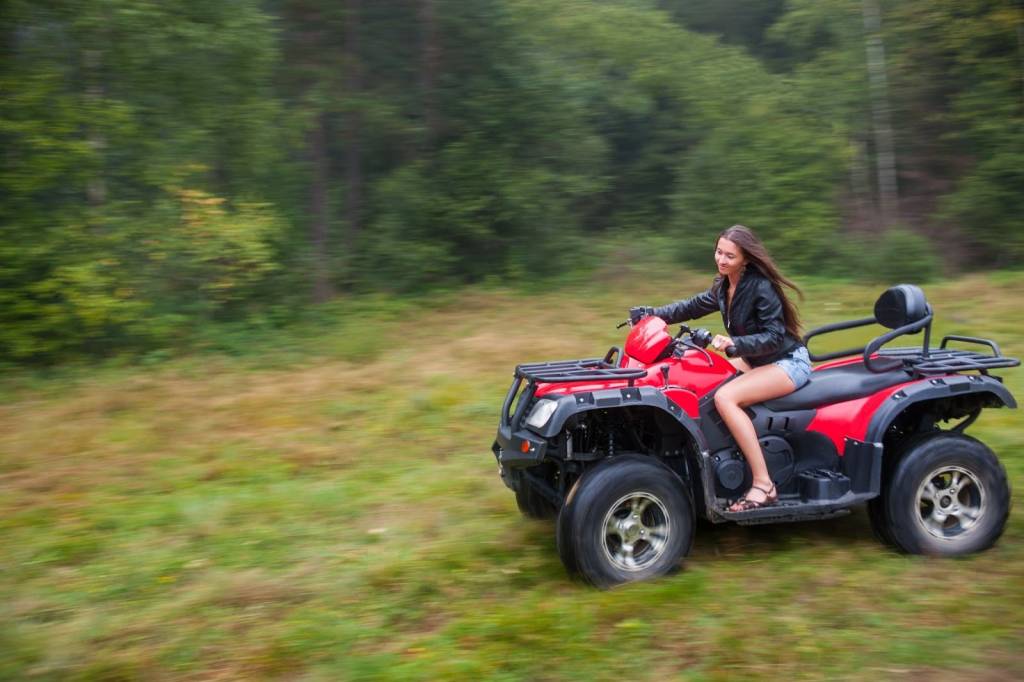
Trail riding remains a common ATV activity. Riders explore forests, deserts, and designated parks. Group rides encourage shared experiences. Varied terrain helps riders build skills. Responsible trail use protects access. Recreation drives much ownership interest.
Agricultural and Property Tasks
Farmers use ATVs for daily property management. These vehicles efficiently move tools and supplies. Narrow access is suitable for fenced or wooded areas. Fuel efficiency supports frequent use. Attachments expand the capability further. Productivity improves noticeably.
Seasonal and Specialized Applications
ATVs assist with snow removal during winter. Hunters use them to reach remote locations. Search teams deploy ATVs in rescue efforts. Landscapers move materials across uneven ground. Each task highlights adaptability. Seasonal shifts rarely limit usefulness.
ATV Safety and Legal Responsibilities
ATV riding requires responsibility for safety and respect for shared spaces. Proper practices reduce injury risk. Legal rules guide acceptable use. Awareness supports long-term access.
Protective Gear and Riding Awareness
Helmets provide essential protection during riding. Protective clothing reduces injury from debris. Terrain awareness prevents unexpected hazards. Riders should avoid carrying passengers unless the vehicle is designed for that purpose. Training improves control and judgment. Safe habits support enjoyment.
Laws and Access Rules
Many regions require ATV registration. Public land access varies by location. Age restrictions apply in certain areas. Noise limits protect nearby communities. Insurance requirements differ. Riders should stay informed.
Environmental Responsibility
Responsible riding reduces trail damage. Staying on designated paths prevents erosion. Avoiding sensitive habitats protects wildlife. Proper maintenance prevents leaks. Riders share preservation responsibility. Respect sustains access.
Choosing the Right ATV
Selecting an ATV requires clear priorities. Buyers benefit from honest use assessments—budget, terrain, and experience matter. Thoughtful choices prevent regret.
Matching Features to Intended Use
Work-focused riders need towing capacity. Recreational riders prioritize suspension and handling. Engine size should match experience level. Terrain influences drivetrain selection—comfort is critical for longer rides. Clear goals simplify selection.
New Versus Used ATVs
New ATVs include warranties and updated features. Used ATVs often cost less initially. Buyers should inspect maintenance history. Parts availability affects ownership ease. Reliable brands retain value. Careful evaluation protects investment.
Maintenance and Ownership Costs
Routine maintenance keeps ATVs dependable. Costs include oil changes, filters, and tires. Storage protects machines from weather damage. Fuel use remains modest. Proper care extends lifespan. Ownership rewards consistency.
Select an ATV That Fits Your Terrain and Purpose
An ATV delivers its full value only when its design aligns with the terrain and tasks it will face. Riders who match engine size, drivetrain, and suspension to real conditions gain better control and reliability over time. That alignment also reduces wear, improves safety, and prevents frustration caused by underpowered or overbuilt machines. A thoughtful selection process turns an ATV from a simple vehicle into a dependable tool that consistently performs where it matters most.
Vacation destinations stand out when they connect adventure with place. Learn how off-road riding, open land, and guest experiences align by visiting the Rancho DM Horse Club blog.